Common Air Conditioning Repairs: How to Tell When Your System Needs Attention
Air conditioning systems are crucial for preserving read more comfort, most notably during the summer months. Despite their importance, they may develop faults that hinder their performance. Symptoms like insufficient cooling, odd smells, or unexpected sounds frequently suggest that maintenance is required. Understanding these warning signals is essential for homeowners. Taking action to diagnose these issues can result in prompt solutions and enhanced system efficiency. What are the most important indicators to monitor?
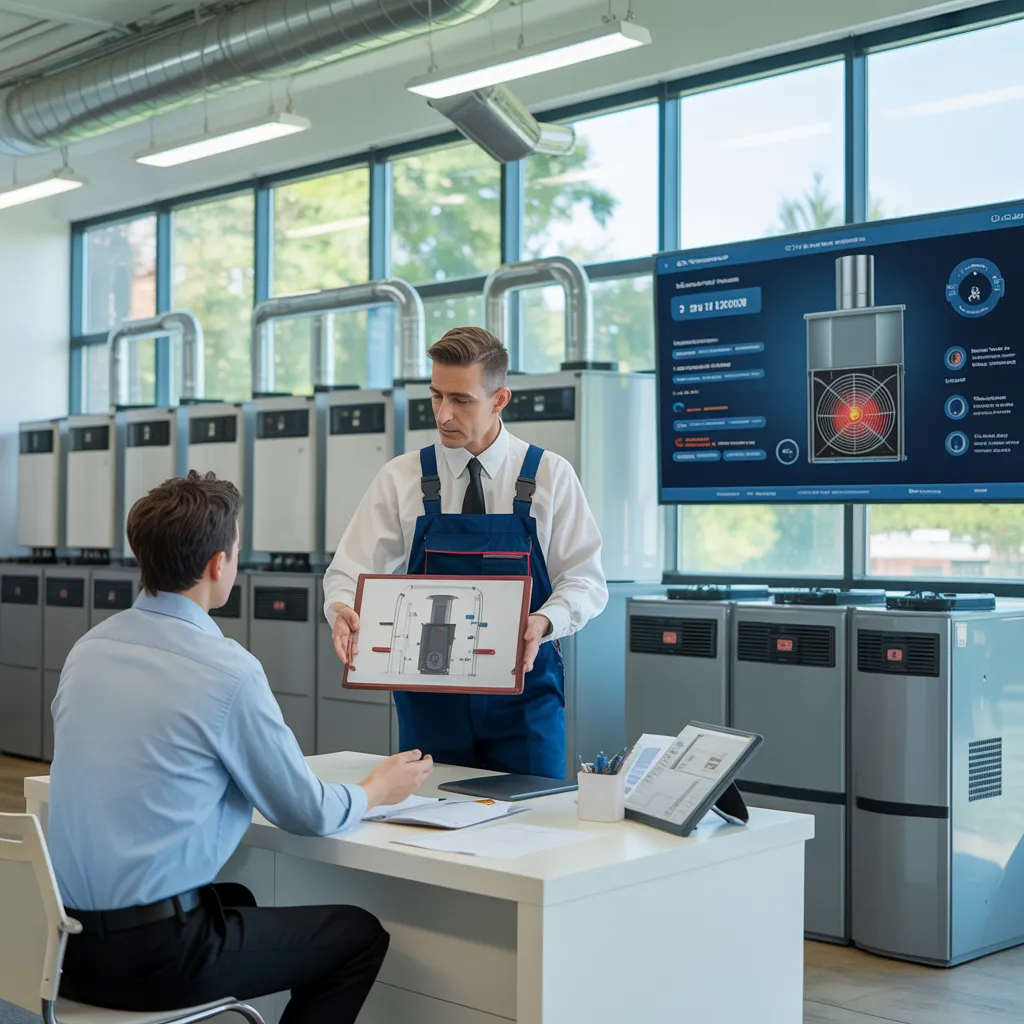
Key Indicators Your AC Requires Repair
How can homeowners tell when their air conditioning units need repair? Identifying the signs of a failing air conditioning system is essential for preserving comfort and efficiency. One of the primary warning signs is poor cooling; if the air conditioner is unable to sustain the programmed temperature, it may be in need of service. Homeowners ought to remain watchful for odd scents emerging from the vents, as these can point to concerns such as mold development or electrical malfunctions.
Moreover, increased energy bills without a change in usage patterns can signal inefficiency, suggesting potential repair requirements. Frequent cycling on and off, known as short cycling, can also indicate a problem. Finally, water accumulation around the equipment or strange noises, including hissing or bubbling, can suggest hidden concerns. Dealing with these indicators without delay can allow homeowners to circumvent more serious repair needs and make certain their AC systems run at peak performance.
What Are the Reasons Your AC Is Making Unusual Noises?
Strange noises from an air conditioning unit frequently suggest hidden faults that warrant professional inspection. Common sounds include rattling, which often points to loose components or debris within the system. A hissing noise can signal refrigerant leaks, potentially compromising efficiency and leading to further damage. A grinding sound often signals worn-out bearings or motor issues, whereas a high-pitched squealing noise can suggest issues affecting the compressor or fan unit.
Additionally, if an air conditioning unit produces a steady buzzing sound, the cause could be an electrical fault or a defective capacitor. These sounds not only disrupt comfort but also serve as crucial warning signs. Ignoring them can result in more extensive repairs or system failure. Homeowners should monitor these noises closely and consult a professional technician to diagnose the problem accurately. Timely intervention can help guarantee the longevity and peak performance of the air conditioning system.
Identify Ineffective Cooling Issues
When faced with poor cooling performance from an AC unit, homeowners often wonder what could be causing the issue. A number of factors can affect a system's cooling performance. A frequently encountered cause is a dirty or blocked air filter, which restricts airflow and reduces cooling efficiency. Additionally, refrigerant leaks can lead to insufficient cooling, since the unit no longer has enough fluid to effectively transfer heat. An additional consideration is a unit that is not properly sized, which is unable to maintain comfortable temperatures in the required space. Property owners should additionally examine potential thermostat concerns, including incorrect settings or malfunctioning sensors that prevent the system from operating correctly. In addition, clogged vents or ducts can hinder proper airflow, further complicating cooling efforts. Detecting these concerns promptly can avert more serious complications and ensure optimal performance from the AC system. Regular maintenance and inspections can help mitigate these challenges before they escalate.
How to Handle Strange Odors Coming From Your AC
What are the possible causes of strange odors coming from an AC unit? Several causes may be responsible for these smells, often indicating underlying issues. A damp, musty scent might signal mold or mildew developing within the system, typically due to excess moisture. On the other hand, a burning odor may suggest faulty electrical components or overheating parts, demanding urgent evaluation. Should a strong, chemical-based smell be detected, it could indicate refrigerant leakage, which require prompt evaluation.
In addition, a pungent, offensive odor can arise from rodents living inside the unit, emphasizing the need for a comprehensive inspection. Household members should review air filters, as soiled filters can also cause foul smells. Routine upkeep is necessary to avoid these occurrences. To conclude, pinpointing the origin of unexpected smells is important for the proper operation of the air conditioning system and helps maintain a clean indoor environment.
The Right Time to Call a Professional for AC Repairs
How can homeowners determine the right moment to seek professional help for AC repairs? Understanding the indicators that suggest professional involvement is key to preserving the performance of your cooling system. When the air conditioner emits strange sounds, like grinding or hissing, this could point to mechanical problems that need professional evaluation. Furthermore, uneven temperatures across the home or an unexpected spike in energy costs may point to deeper issues that require professional diagnosis and repair.
Homeowners ought to remain vigilant about any leaks or surplus moisture near the unit, as these can lead to more significant damage. When the system fails to cool effectively, despite running continuously, it is time to consult a technician. Finally, if the unit is aging and suffering repeated breakdowns, expert assessment and repair can help avoid expensive replacements. Prompt action can prolong the life of the AC system and ensure optimal performance.
Important Tips for Taking Care of Your AC System
Keeping up with an AC system is vital for ensuring its long life and efficiency. Routine filter changes, periodic inspections, and outdoor unit maintenance are essential practices that can prevent costly repairs. These easy practices secure optimal operation and boost the quality of your indoor air.
Periodic Filter Replacement
Routinely swapping out the air filter is vital for ideal air conditioning performance. Dirty or blocked filters can impede airflow, leading to inefficient cooling and increased energy consumption. Such pressure on the equipment can result in elevated energy costs and possible system breakdown. Professionals advise checking filters each month and replacing them every one to three month period, depending on how often the system is used and the surrounding conditions. Homes with pets or high dust levels may require more frequent changes. Not only does a clean filter improve air quality by capturing dust and allergens, but it also prolongs the life of the AC unit. By focusing on regular filter care, homeowners can guarantee their air conditioning system functions at peak efficiency and reliability all cooling season long.
Seasonal System Inspections
Routine seasonal inspections are vital for ensuring optimal performance and extended lifespan of air conditioning systems. These evaluations enable professionals to detect underlying problems before they develop into expensive repairs. During a checkup, professionals typically assess refrigerant levels, inspect electrical connections, and evaluate the overall system operation. Furthermore, they often evaluate thermostat performance to confirm precise temperature regulation. Consistent upkeep can result in enhanced energy efficiency, lowering utility costs and fostering a more pleasant indoor atmosphere. Property owners are advised to arrange these inspections at least one or two times annually, preferably prior to the start of the cooling season. Proactive attention to the AC system can greatly extend its lifespan and enhance overall reliability.
Outdoor Unit Cleaning
Maintaining the outside unit is a crucial step in making certain an AC system functions effectively. Leaves, dust, and debris can collect around the unit, restricting airflow and diminishing performance. Consistent cleaning helps prevent overheating and extends the lifespan of the system. Homeowners should shut off the power before cleaning to ensure safety. By using a soft brush or a garden hose, they can gently remove debris from the fins and adjacent area. Moreover, removing any vegetation within two feet of the unit improves airflow. It is also advisable to check and clean the condenser coils on a routine basis. By preserving a clean exterior unit, homeowners can improve energy efficiency and reduce the likelihood of costly repairs.
Frequently Asked Questions
How Often Should I Schedule Routine AC Maintenance?
Professionals suggest arranging regular AC upkeep at least once a year. That said, in locations with intense climate conditions or high demand, twice-yearly inspections can improve performance and extend the unit's service life, ensuring peak performance.
Is It Possible to Troubleshoot AC Issues on My Own?
Indeed, individuals are capable of troubleshooting AC problems themselves by reviewing filters, checking for obstructions, and confirming that power sources are operating correctly. That said, consulting a professional is strongly recommended for complicated issues in order to avoid possible damage or safety concerns.
What Are the Expenses Involved in AC Repairs?
AC repair costs typically range from $100 to $1,500, depending on the issue's complexity. Key elements affecting costs involve the system's age, labor costs, and required parts, where routine upkeep can frequently minimize the chances of major repairs.
How Long Should an AC Unit Last?
An air conditioner usually operates for anywhere from 15 to 20 years, based on factors including maintenance, usage, and quality. Regular servicing can extend its lifespan, while neglect may lead to premature failure.
Can I Find Energy-Efficient Upgrades for My AC System?
Yes, efficiency-boosting enhancements for an AC unit encompass installing a programmable thermostat, upgrading to a high-efficiency unit, enhancing insulation, and using variable speed motors. These upgrades can substantially cut down on energy consumption and minimize utility expenses.